
Ultimate Foundation Repair Supplies To Address Foundation Concerns
Get the essential repair products that provide dependable solutions to common foundation issues and prevent future damage.
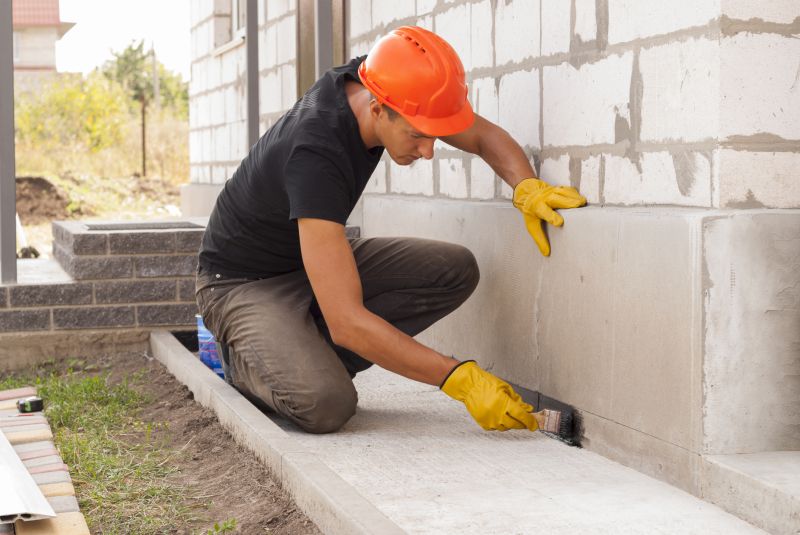 Foundation repairs are an essential aspect of maintaining the structural integrity of a building, especially in regions like Lemont, IL, where soil conditions and weather patterns can influence foundation stability. Various products are available to address different types of foundation issues, from minor cracks to significant shifts. Selecting the right repair products requires understanding the specific needs of the foundation, the extent of the damage, and the underlying soil conditions. Proper application and compatibility of these products can help reinforce the foundation and prevent further deterioration.
Top Overall Option
Polyurethane Injection Foam
Polyurethane injection foam is a versatile foundation repair product used for sealing cracks and lifting settled areas. Its quick-curing nature and strong adhesive properties make it a popular choice for addressing minor to moderate foundation issues. When properly applied, it can help stabilize the affected area and prevent water intrusion, contributing to the overall integrity of the foundation.
Types of Products For Foundation Repairs
Crack Injection Sealants
Used to fill and seal cracks in concrete foundations, these sealants help prevent water infiltration and further deterioration.
Polyurethane Foam
A versatile material for sealing cracks, lifting settled areas, and providing waterproofing solutions.
Carbon Fiber Reinforcement
Applied to reinforce and stabilize cracked or bowing walls, offering additional strength without extensive excavation.
Steel Push Piers
Used for underpinning and lifting sinking foundations by transferring load to more stable soil layers.
Helical Pier Systems
Helical piers provide stable support for foundations by anchoring into load-bearing soil layers.
Mudjacking/Slab Jacking
A process of injecting a slurry beneath concrete slabs to lift and level sunken areas.
Waterproofing Membranes
Applied to exterior or interior surfaces to prevent water infiltration and protect the foundation.
Soil Stabilization Products
Materials designed to improve soil strength and reduce shifting underneath foundations.
Epoxy Injection Systems
Used to repair cracks and restore structural integrity in concrete foundations with high-strength epoxy resins.
Drainage Systems
Systems installed to improve water management around the foundation, reducing hydrostatic pressure.
Underpinning Piles
Supports and stabilizes foundations by transferring loads to deeper, more stable soil layers.
Vapor Barriers
Installed to control moisture vapor transmission and protect basement or crawl space areas.
Grout and Mortar Patches
Used for filling small cracks and voids in concrete foundations, providing additional sealing and support.
Anchor Bolts
Reinforce and stabilize foundation walls by anchoring them securely to the structure.
Drainage Matting
Helps direct water away from foundation walls, reducing moisture-related issues.
Popular Choices
Commonly used for sealing cracks, these products are favored for their ease of application and effectiveness in water prevention.
Widely utilized for its rapid curing and ability to lift and stabilize settling foundations.
Popular for strengthening bowing or cracked walls with minimal disruption.
A common underpinning option for lifting and stabilizing sinking foundations.
Chosen for their ability to provide deep support in variable soil conditions.
A practical method for leveling sunken concrete slabs with minimal excavation.
Frequently installed to prevent water ingress and protect basement foundations.
Effective for repairing cracks that compromise structural stability.
Essential for managing water flow around foundations and reducing hydrostatic pressure.
Popular in regions with shifting soils, these products help maintain foundation stability.
Commonly used in basements to control moisture and prevent mold growth.
Widely employed to reinforce foundation walls and prevent movement.
Many foundation repair solutions are designed to be minimally invasive, offering options that can be applied with relative ease compared to more extensive reconstruction projects. These products often include injection materials for sealing cracks, underpinning systems for stabilization, and waterproofing solutions to prevent moisture intrusion. It is advisable to assess the problem thoroughly and consult with a foundation specialist to determine the most appropriate products for your situation.
When considering foundation repair products, durability and compatibility with existing structures are crucial factors. Products that offer flexibility and strong adhesion can adapt to minor shifts and movements, reducing the risk of future damage. Additionally, products that resist temperature fluctuations and moisture exposure tend to perform better over time. Proper installation, combined with high-quality materials, can contribute significantly to the longevity and effectiveness of the repair.
In Lemont, IL, where soil types and weather can vary, selecting products that are suited for local conditions is important. Regular inspections and maintenance can also extend the lifespan of foundation repairs. By choosing the right products and ensuring proper application, homeowners and property managers can better protect their investments and maintain the safety and stability of their structures.
Key Buying Considerations
- Assess the specific foundation issue to determine the appropriate product type.
- Consider the extent of damage and whether structural reinforcement or sealing is needed.
- Evaluate the compatibility of repair materials with existing foundation materials.
- Review the product’s resistance to environmental factors such as moisture and temperature changes.
- Ensure proper application techniques are followed for maximum effectiveness.
- Select products that are designed for the soil and weather conditions typical in Lemont, IL.
- Check for certifications or standards indicating quality and safety.
- Consider ease of use and whether professional installation is recommended.
- Evaluate the longevity and maintenance requirements of the repair products.
- Factor in the potential need for ongoing inspections or additional repairs.
- Review customer feedback and product ratings for insights into performance.
- Determine if the product is suitable for minor cracks or major structural issues.
- Assess the cost-effectiveness relative to the extent of repair needed.
- Look into warranty or guarantee options provided by the manufacturer.
- Ensure the product complies with local building codes and regulations.